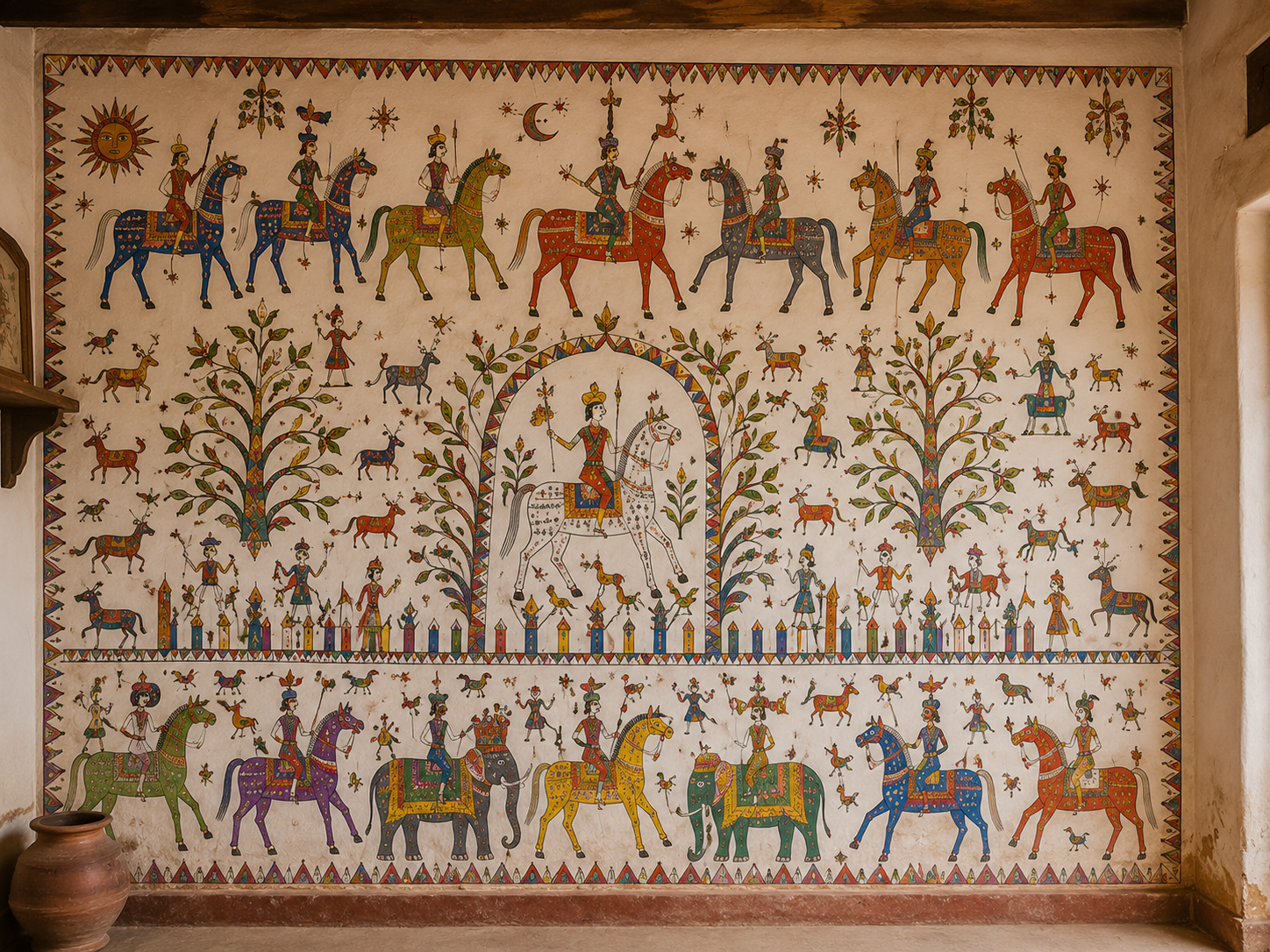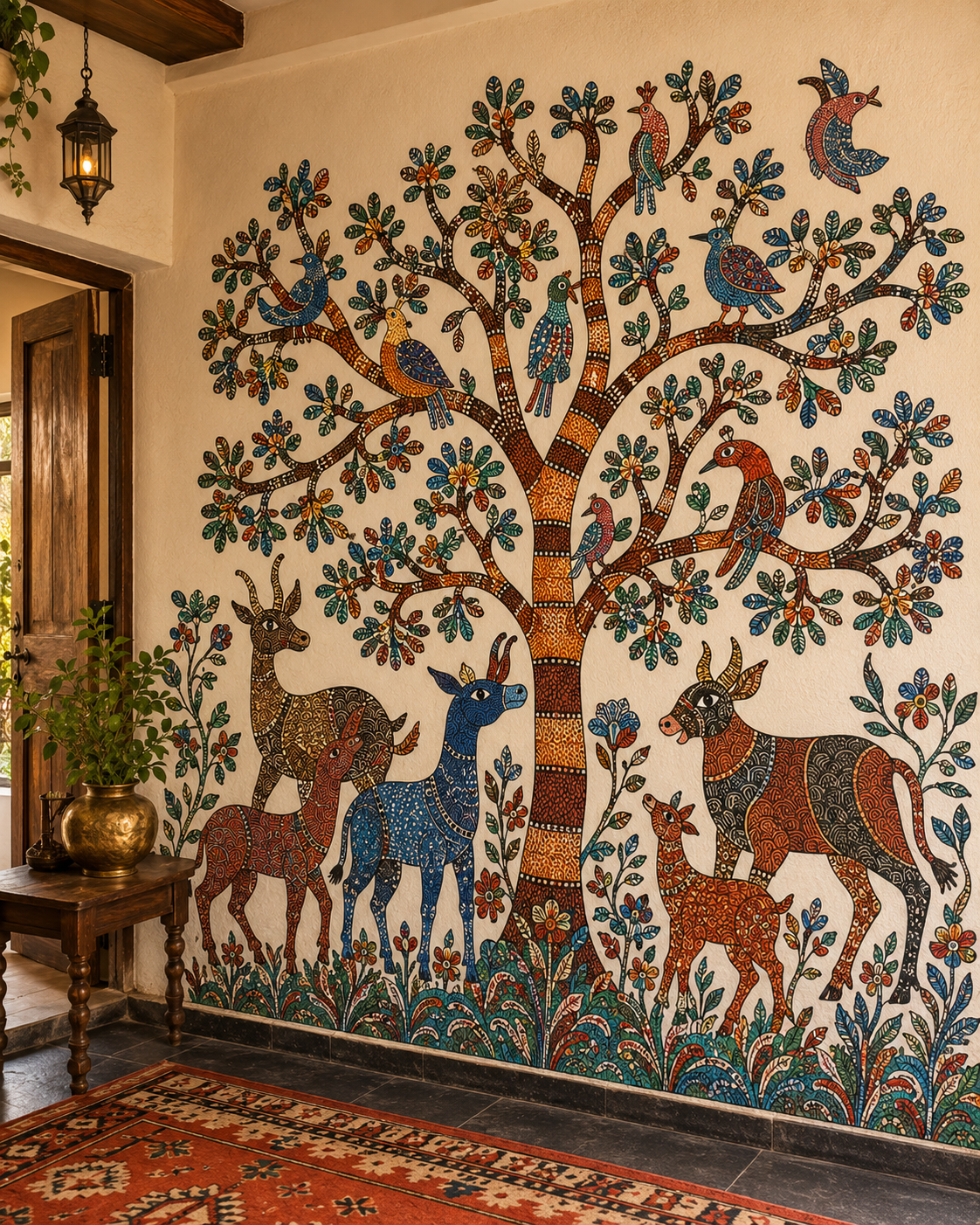
Central India — Madhya Pradesh
Gond Painting
"Where every dot and line holds the forest's memory"
History & Origins
Gond painting originates from the Gond people, one of India's largest tribal communities, spread across the forests and hills of central India. Traditionally, Gond art was applied to the walls and floors of homes as auspicious decoration during festivals — a practice called 'Digna.' It was only in the 1980s that Jangarh Singh Shyam, under the mentorship of artist Jagdish Swaminathan at Bharat Bhavan in Bhopal, transitioned Gond imagery to paper and canvas, creating a new artistic movement.
Cultural Significance
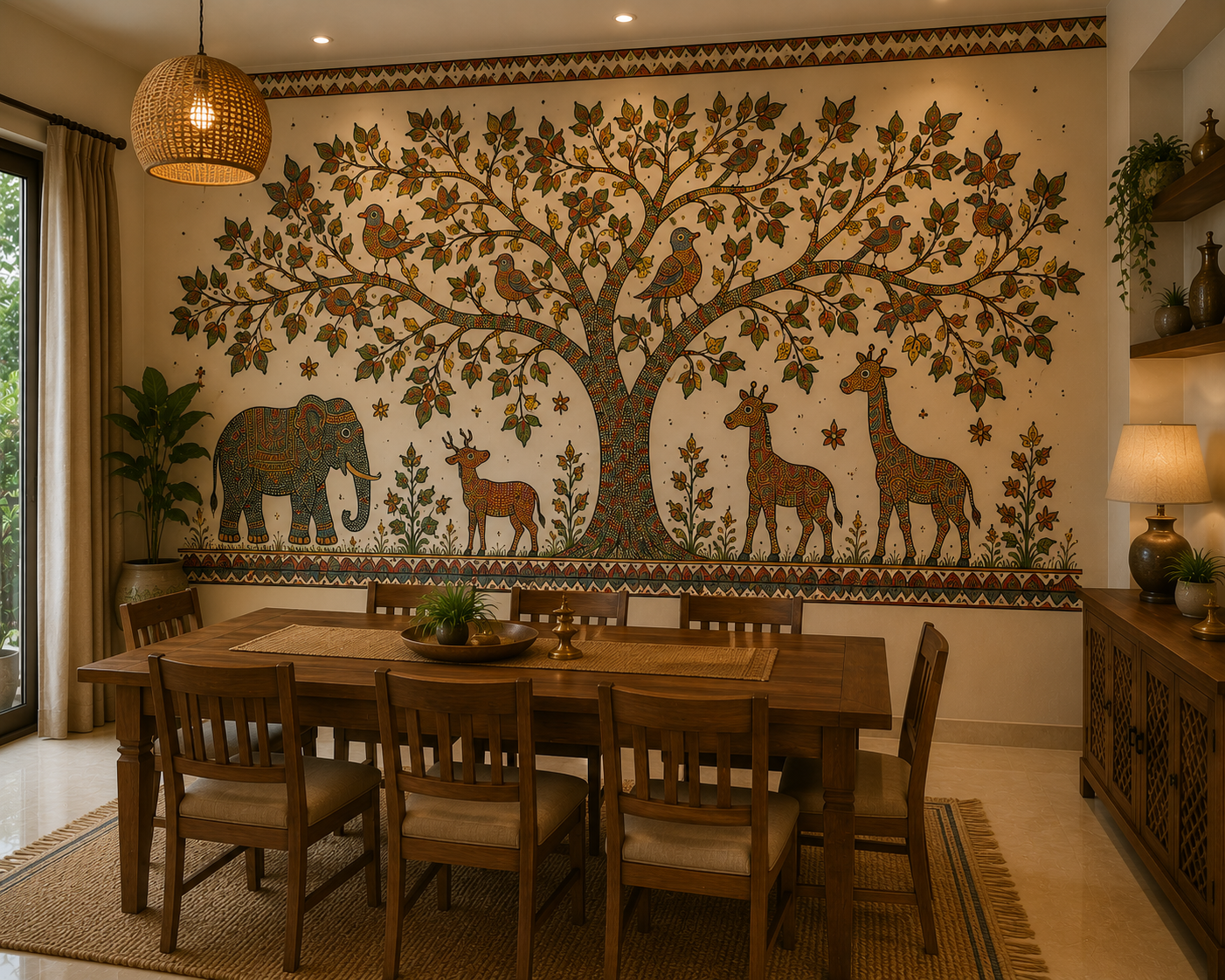
Gond painting is a living connection to the Gondi people's forest-based worldview, where every animal, tree, and river is sacred and sentient. The distinctive style — dense, intricate patterns of dots and dashes filling every form — mimics the texture of bark, feathers, and scales. Jangarh Singh Shyam is credited with creating modern Gond art; his followers have taken it to international galleries while keeping the spiritual core intact.
Where to find it today
Centered in Patangarh village, Mandla district, Madhya Pradesh — known as the birthplace of modern Gond painting. Also practiced in Chhattisgarh and other central Indian states. Exhibited at galleries worldwide.
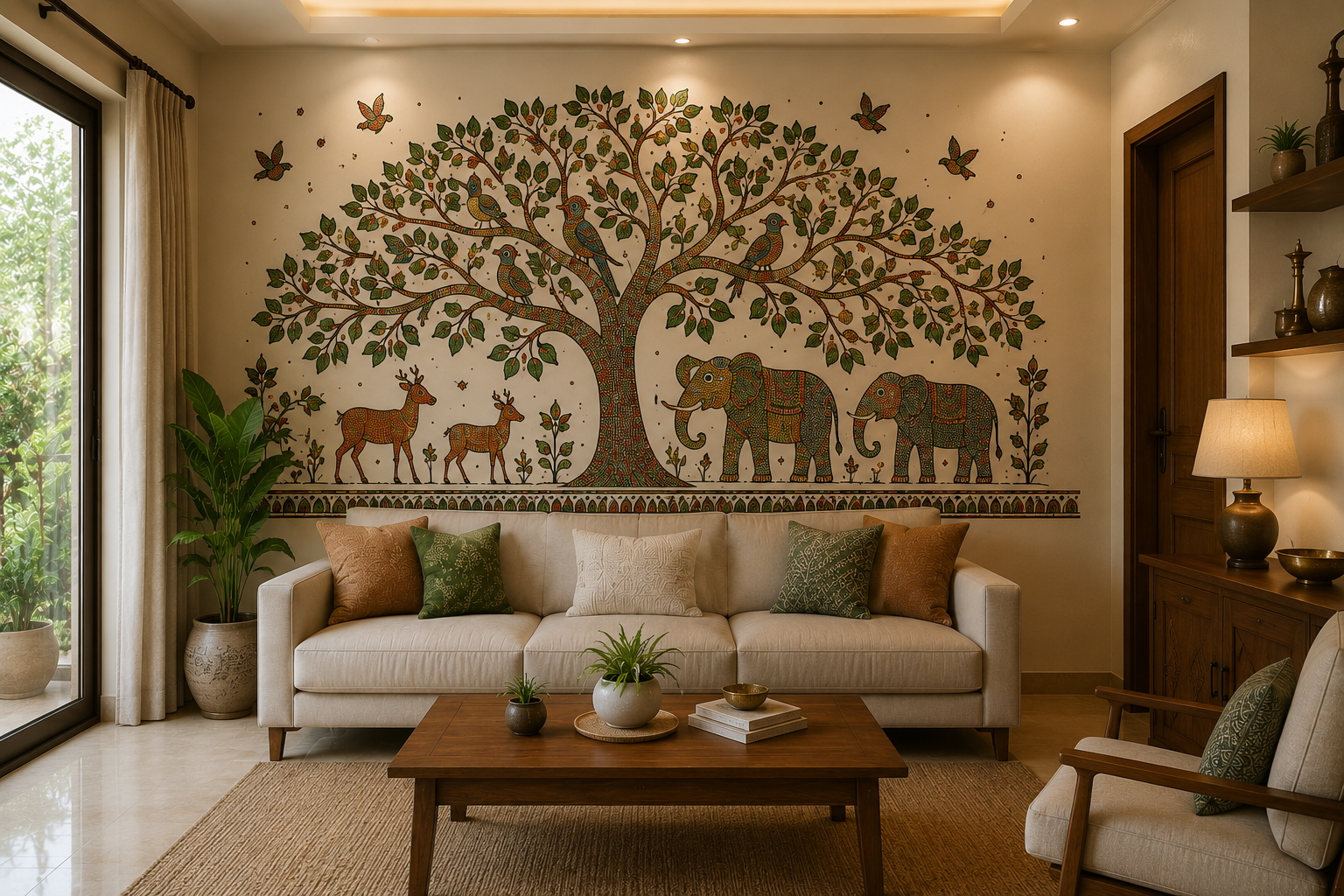
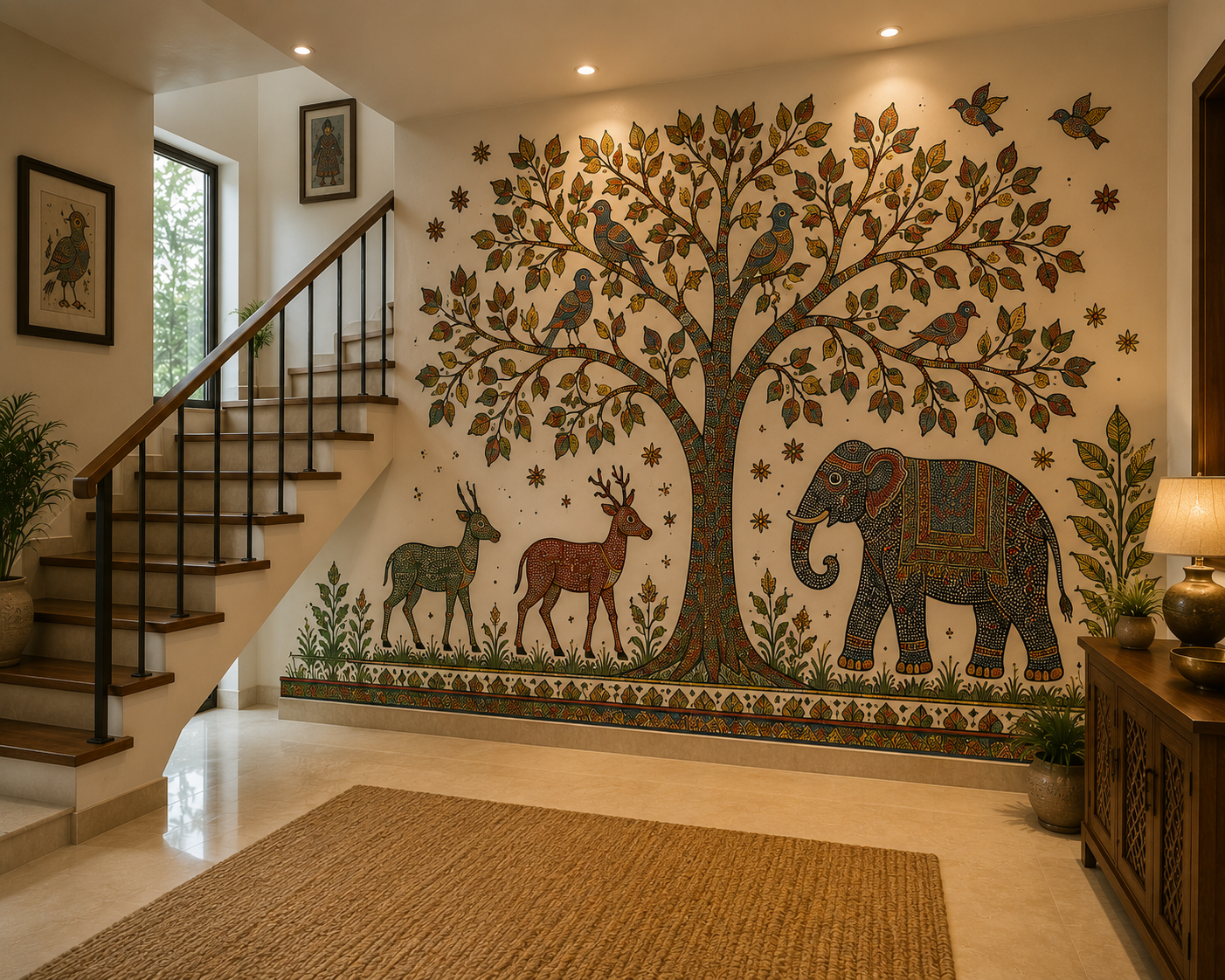
Seen in real spaces
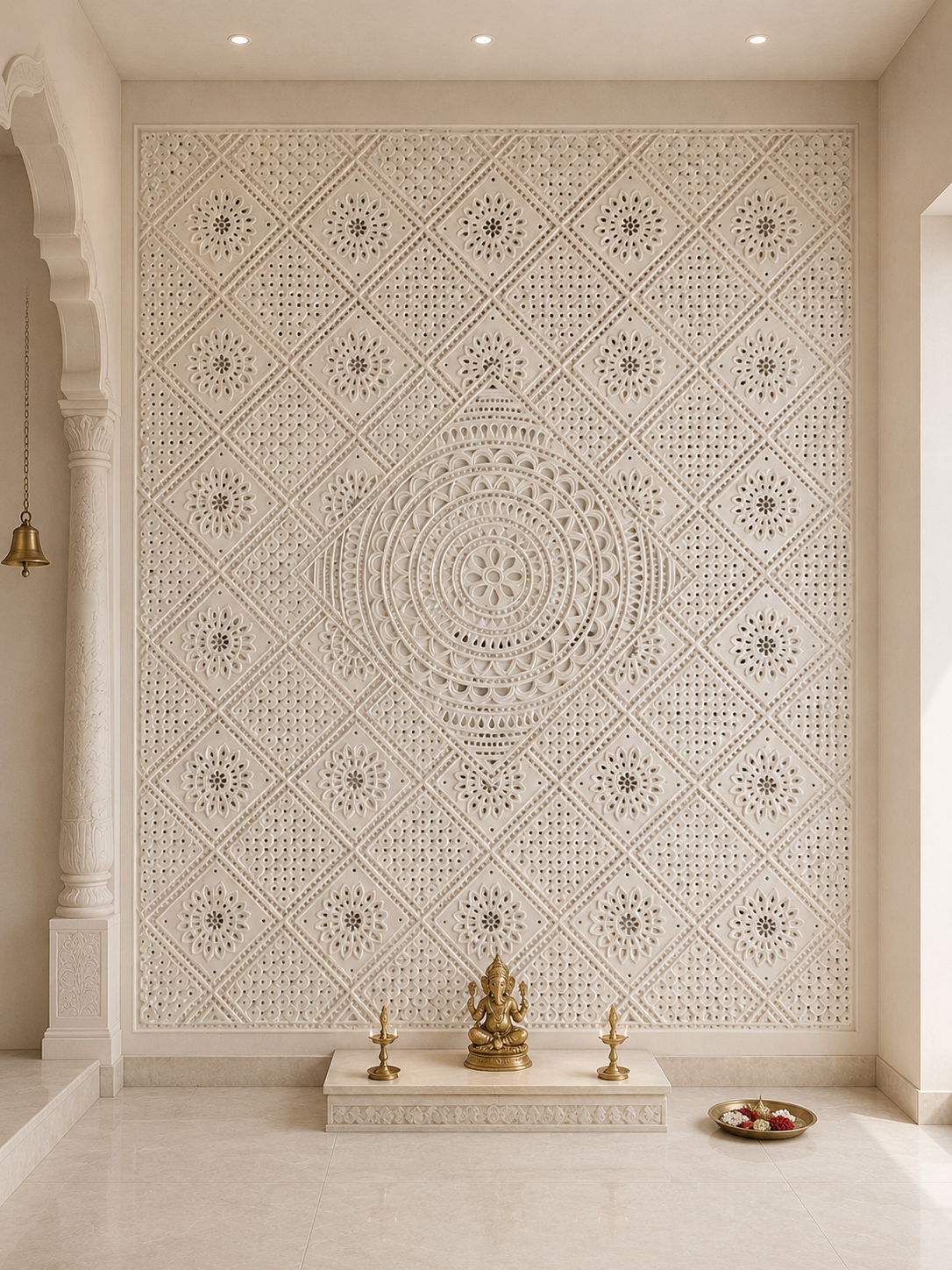
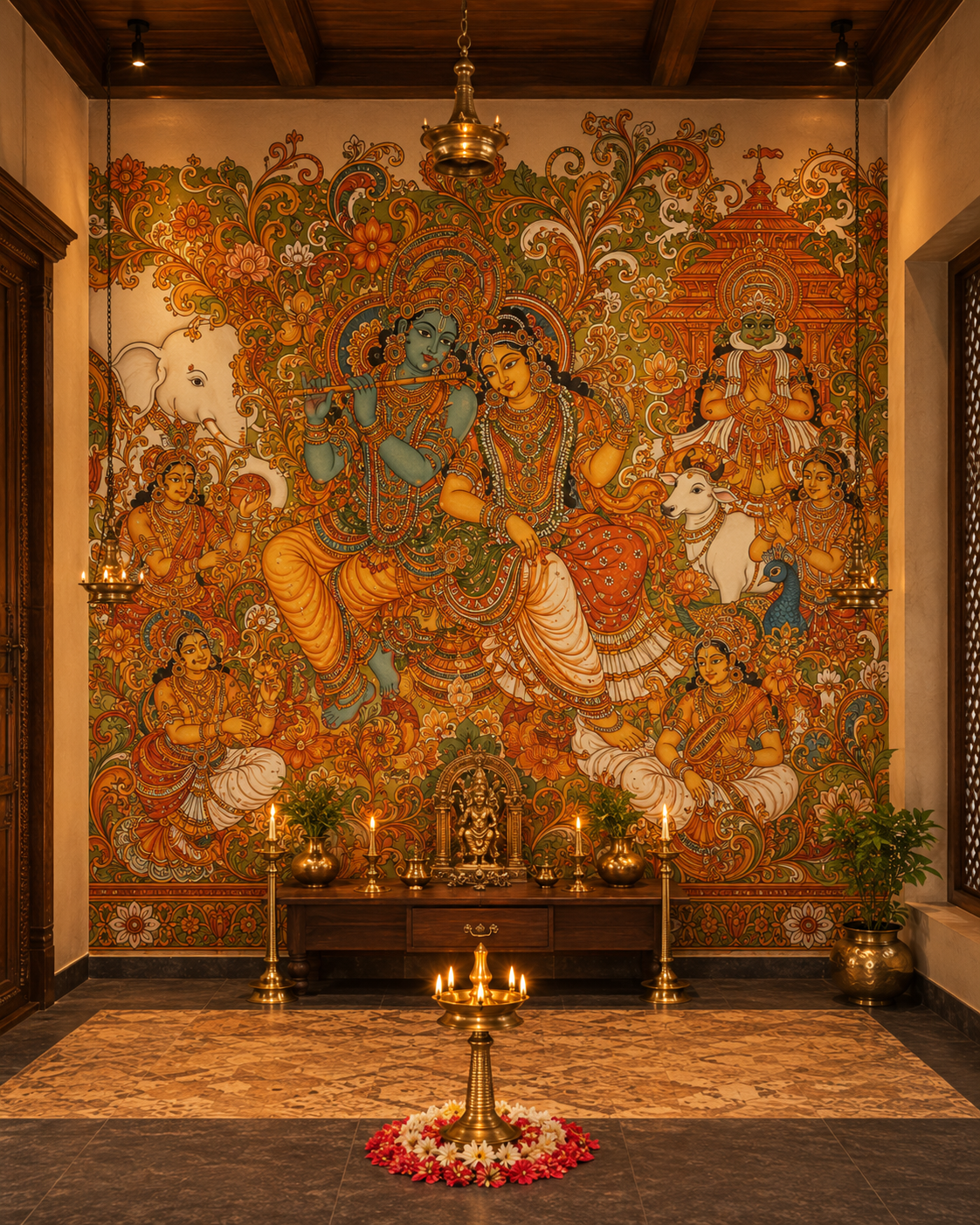
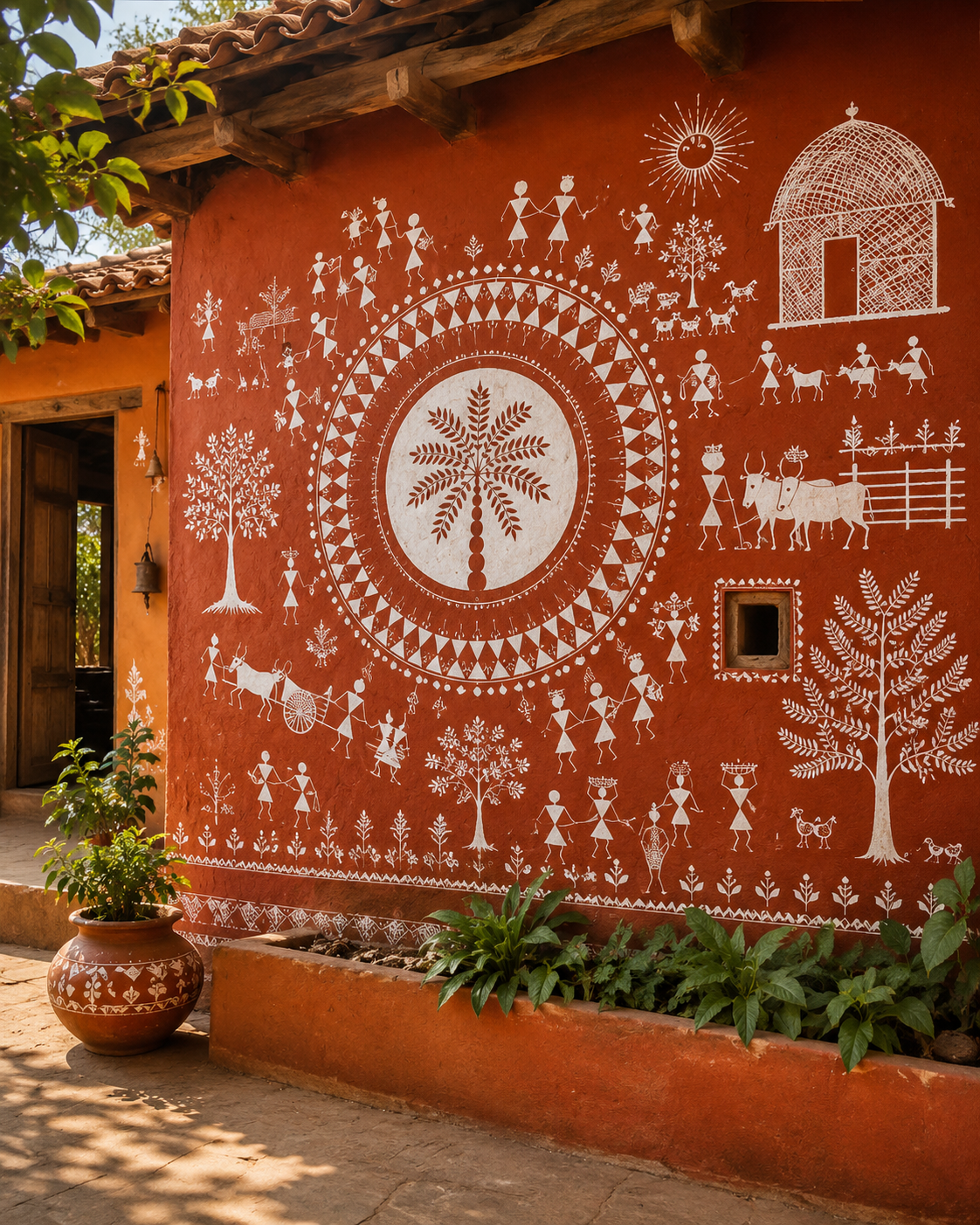
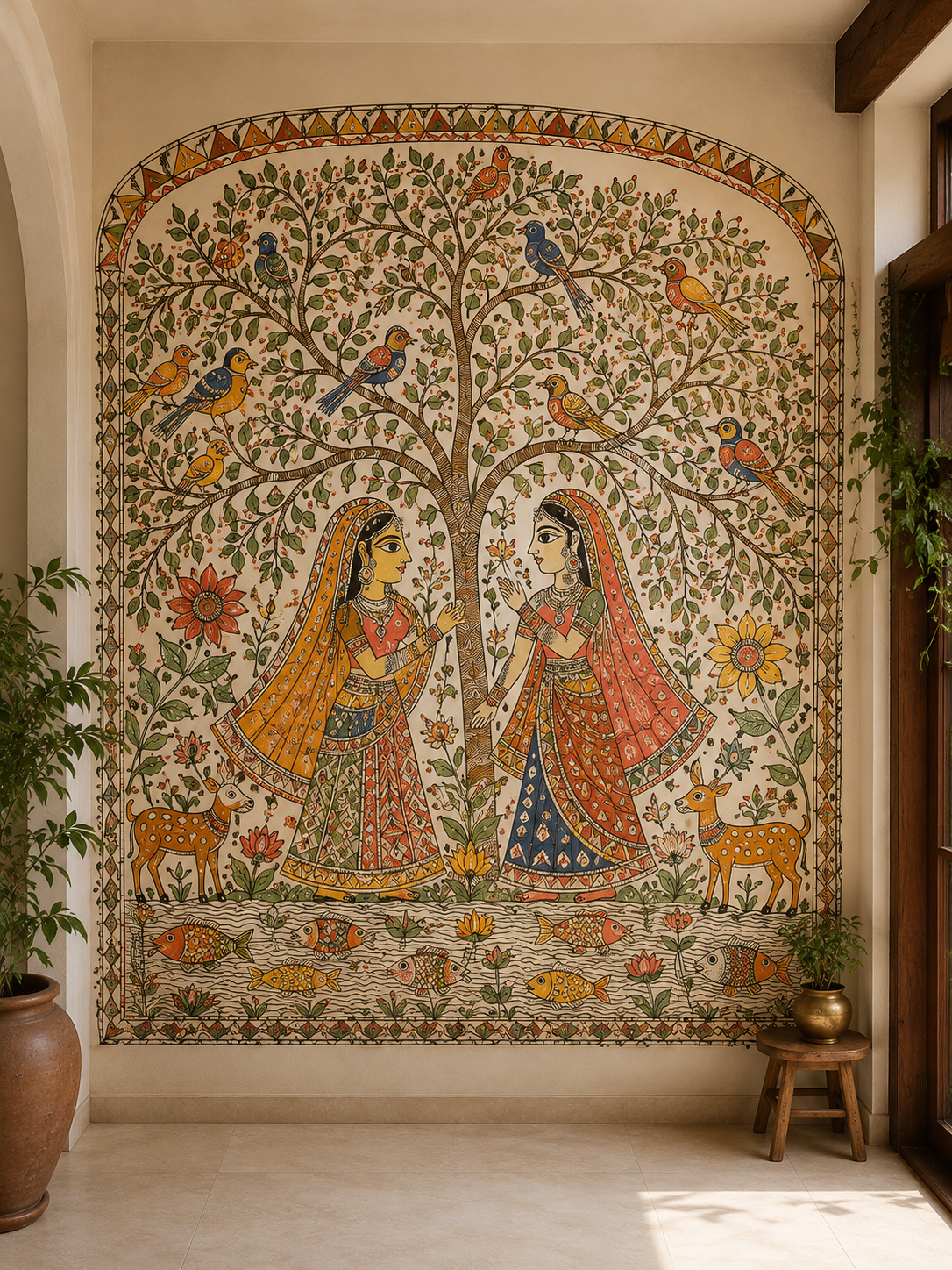
A few examples of Gond Painting placed in different room types.
Want Gond Painting on your wall?
Tell us about your space — we'll match you with a verified artist.
Get a custom quote →