Our Craft
Indian Wall Art Forms
Seven living traditions. Pick the one that fits your space — we'll match you with a verified Gujarat-based artist who paints in that style.
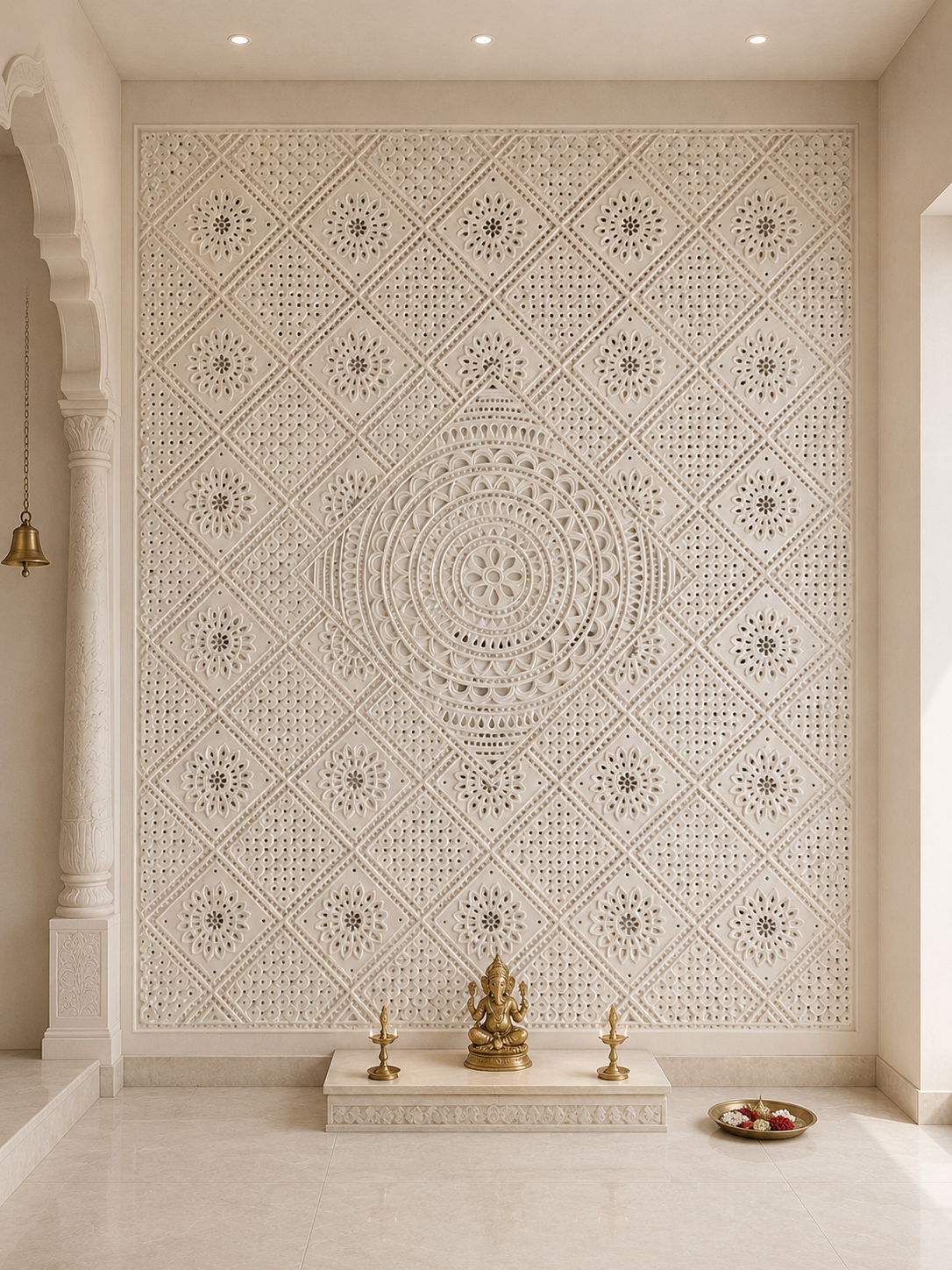
Kutch, Gujarat
Lippan Kaam
"Mirrored clay art that transforms walls into light"
History
Lippan Kaam is a centuries-old wall art form practiced by the women of the Rabari and Meghwal communities in the Kutch district of Gujarat. The word 'Lippan' means coating or plastering in the local dialect. Traditionally, women adorned the interior walls of their homes with intricate clay patterns embedded with small circular mirrors (abhla). This art form was originally part of the ritual of preparing a home before festivals and auspicious occasions.
Why it matters
Lippan Kaam carries deep cultural and spiritual significance for the communities of Kutch. The mirror work is believed to ward off the evil eye, and the geometric patterns are symbolic of prosperity and protection. It has also become a GI-tagged art form recognized for its unique cultural identity.
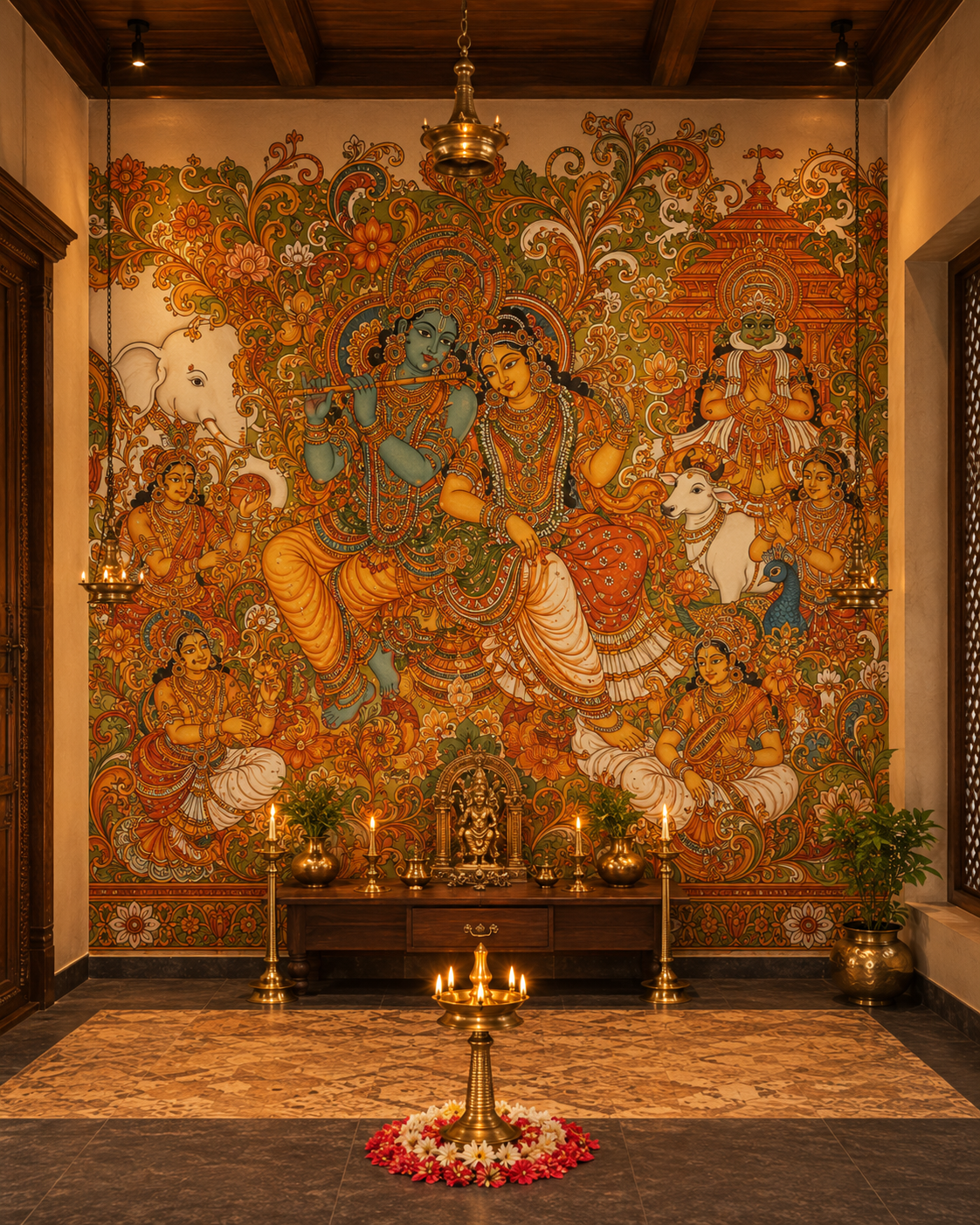
Kerala
Kerala Mural Paintings
"Ancient temple art reborn on modern walls"
History
Kerala Mural Paintings are among India's oldest surviving wall art traditions, dating back over 1,500 years. These paintings traditionally adorned the walls and ceilings of Hindu temples and palaces across Kerala. The art form follows a strict iconographic tradition derived from texts like the Chitrasutra (from Vishnu Dharmottara) and depicts deities, celestial beings, and mythological narratives in vivid, bold outlines.
Why it matters
Kerala murals represent an unbroken artistic lineage connecting ancient Hindu cosmology to present-day craftsmanship. Each painting is a meditation — artists are expected to follow spiritual disciplines while creating. The works are not just decorative but are considered sacred acts of devotion.
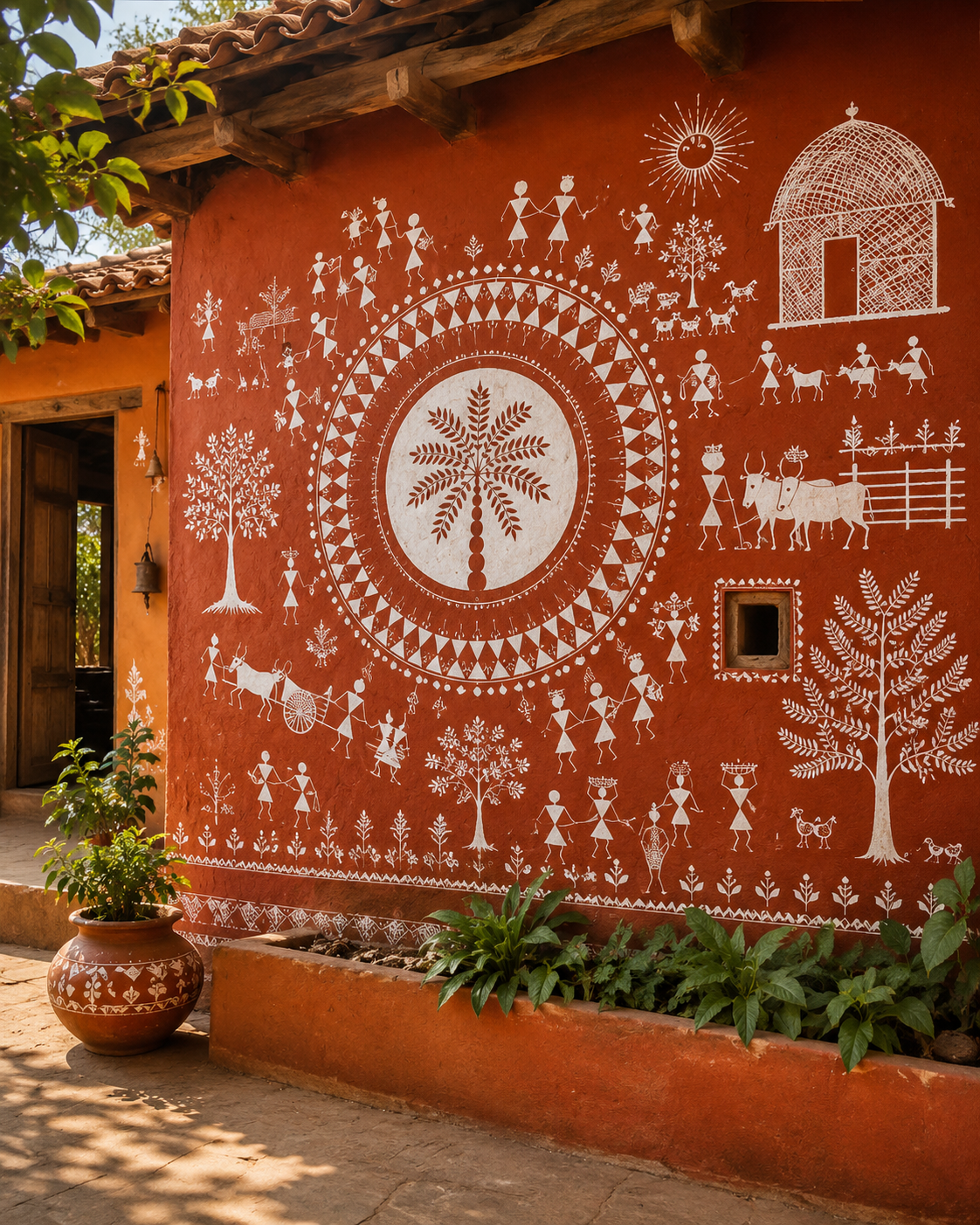
Maharashtra-Gujarat border
Warli Paintings
"Tribal geometry that tells stories of life"
History
Warli is one of the oldest forms of pictorial art in India, dating back to approximately 2500 BCE based on cave art evidence. It originates from the Warli tribe residing in the Palghar district of Maharashtra and adjacent Gujarat regions. Traditionally painted by women on mud walls using rice paste on a dark background, these paintings depict scenes of daily life, harvests, weddings, and nature.
Why it matters
Warli art is a direct link to India's prehistoric tribal heritage. Its simple geometric language — circles, triangles, and lines — conveys complex social narratives. In the 1970s, artist Jivya Soma Mashe brought Warli to canvas and the international art world, earning it global recognition while keeping its community roots alive.
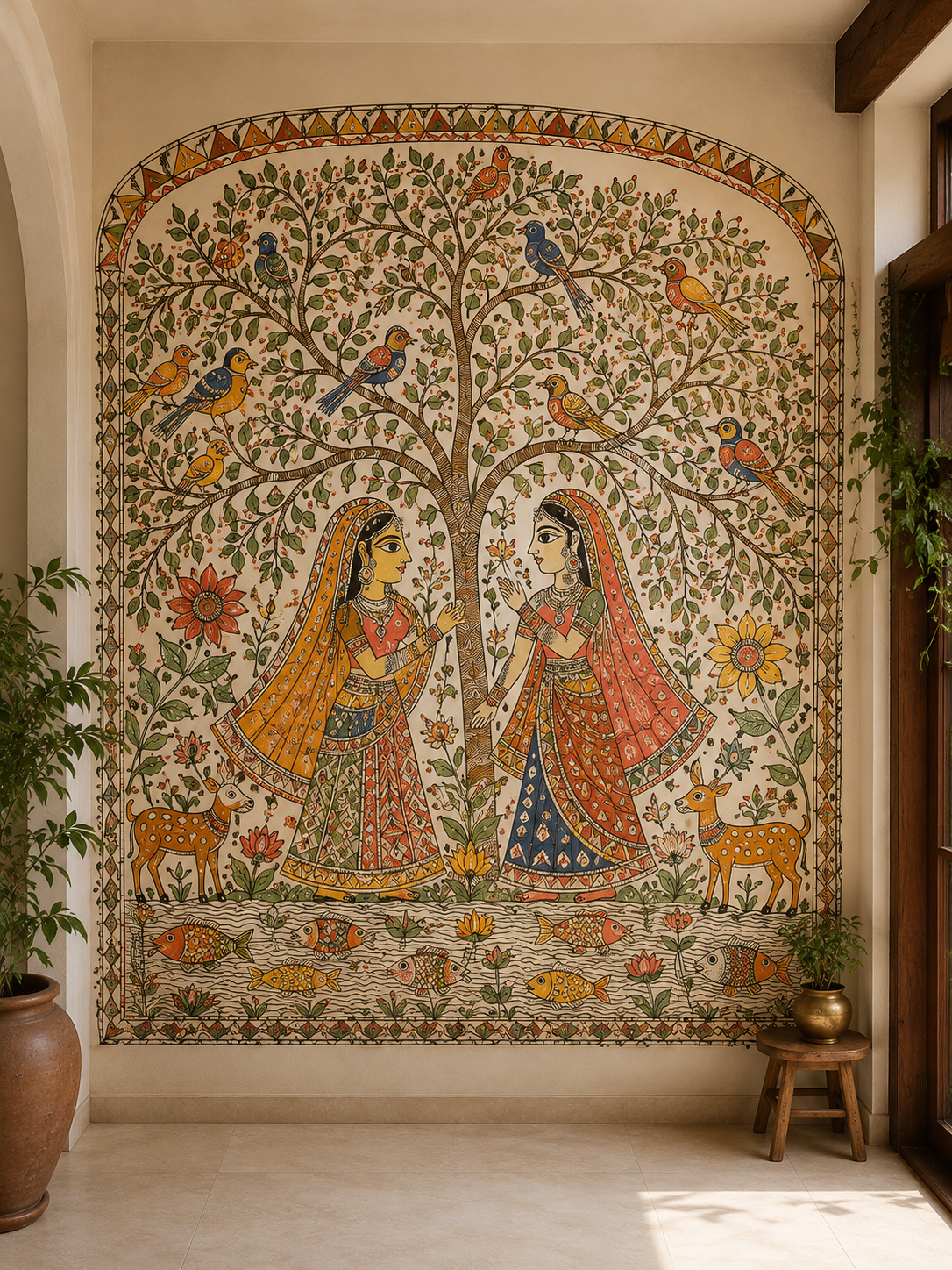
Mithila (Madhubani district), Bihar
Madhubani Mithila Paintings
"The ancient language of Mithila's women"
History
Madhubani (also called Mithila painting) is a living tradition with roots in the epic Ramayana — King Janaka is said to have commissioned these paintings for his daughter Sita's wedding. For centuries, women of the Mithila region painted on freshly plastered mud walls and floors during festivals and life ceremonies. After the 1934 earthquake devastated many homes, Indian civil servant William Archer documented the art, leading to its transition from walls to paper and wider recognition.
Why it matters
Madhubani painting is a matrilineal tradition passed from mothers to daughters, encoding spiritual knowledge, social values, and mythological wisdom in visual language. It received GI tag status in 2007 and has been used by artists to address contemporary social issues like environmental conservation and gender equality.